



Sigma 1 Receptor
Sigma-1 receptor (σ1R) is an ER-localized chaperone that regulates Ca2+ signaling and cell survival at the ER-mitochondrion interface[1]. Mechanistically, σ1R stabilizes IRE1 at mitochondrion-associated ER membranes during ER stress, supporting mitochondrion-ER-nucleus survival signaling[2]. In disease-relevant models, σ1R ligands are used to test neuroprotection, ER stress responses, and neuropathic pain mechanisms[3][4]. Compared with the related sigma-2 receptor, σ1R is distinct because sigma-2 was identified as TMEM97, a membrane protein linked to NPC1 binding and cancer biology[5]. For experimental applications, agonists such as PRE-084 support selective σ1R activation studies, whereas antagonists including E-52862 support neuropathic pain model design[3][4].
Verweise:
- [1]. Hayashi T, et al. Sigma-1 receptor chaperones at the ER-mitochondrion interface regulate Ca(2+) signaling and cell survival. Cell. 2007 Nov 2;131(3):596-610. [Content Brief]
- [2]. Mori T, et al. Sigma-1 receptor chaperone at the ER-mitochondrion interface mediates the mitochondrion-ER-nucleus signaling for cellular survival. PLoS One. 2013 Oct 18;8(10):e76941. [Content Brief]
- [3]. Motawe ZY, et al. PRE-084 as a tool to uncover potential therapeutic applications for selective sigma-1 receptor activation. Int J Biochem Cell Biol. 2020 Sep;126:105803. [Content Brief]
- [4]. Gris G, et al. The selective sigma-1 receptor antagonist E-52862 attenuates neuropathic pain of different aetiology in rats. Sci Rep. 2016 Apr 18;6:24591. [Content Brief]
- [5]. Alon A, et al. Identification of the gene that codes for the σ2 receptor. Proc Natl Acad Sci U S A. 2017 Jul 3;114(27):7160-7165. [Content Brief]
All Product Categories
-
Sigma 1 Receptor Verwandte Produkte (71)
Verwandte Produkte (71)

-
PRE-084 hydrochloride
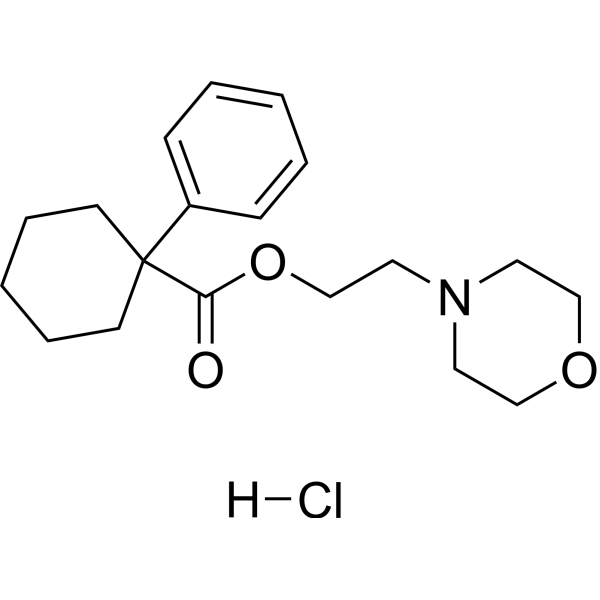 0 ImagesPRE-084 hydrochloride is a highly selective σ1 receptor (S1R) agonist, with an IC50 of 44 nM. PRE-084 hydrochloride exhibits good neuroprotective effects, can improve motor function and motor neuron survival in mice. PRE-084 hydrochloride also can ameliorate myocardial ischemia-reperfusion injury in rats by activating the Akt-eNOS pathway.
-
Dehydroepiandrosterone sulfate
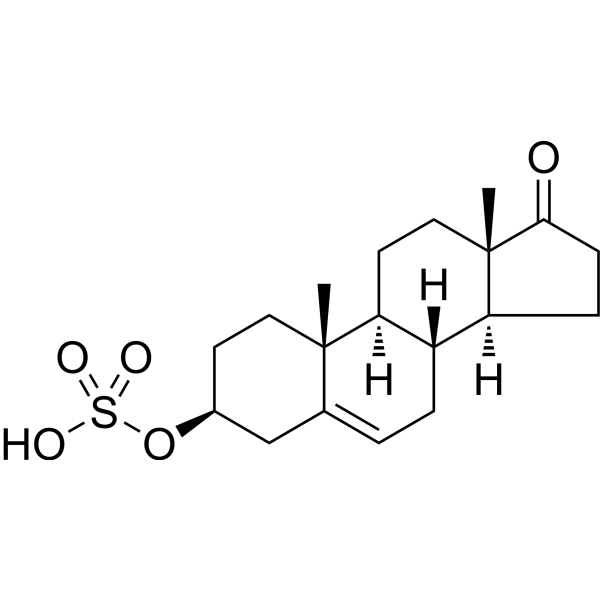 0 ImagesDehydroepiandrosterone sulfate (DHEA sulfate; Prasterone sulfate) is a neurosteroid and the main secretion product of the adrenal gland. Dehydroepiandrosterone sulfate has both non-competitive antagonist activity of GABAA receptor and agonist activity of σ1 receptor. Dehydroepiandrosterone sulfate can partially penetrate the blood-brain barrier, inhibit GABAA receptor-mediated chloride influx, enhance NMDA receptor activity through σ1 receptors, exert anti-inflammatory, anti-glucocorticoid and antidepressant effects, and increase convulsive sensitivity. Dehydroepiandrosterone sulfate participates in neuroprotection, neurite growth regulation and catecholamine secretion regulation, and can be used in the study of depression, post-traumatic stress disorder (PTSD), Alzheimer's disease, etc. Dehydroepiandrosterone sulfate may also be a biomarker for cardiovascular disease mortality, and its concentration is independently and negatively correlated with mortality.
-
BD-1047 dihydrobromide
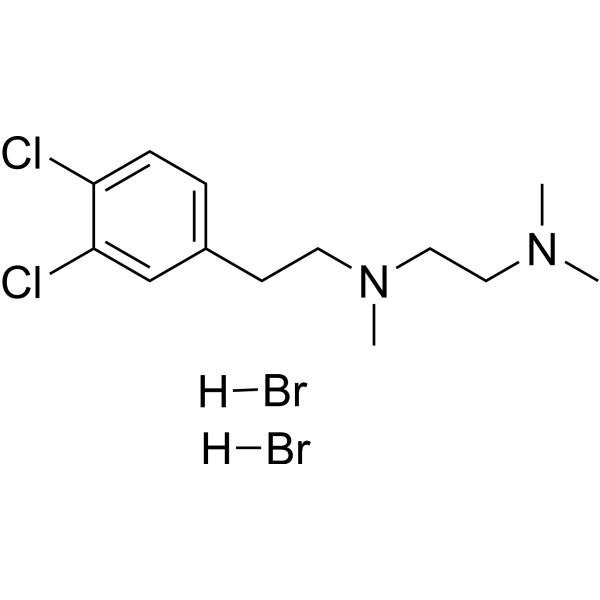 0 ImagesBD-1047 dihydrobromide is a selective functional antagonist of sigma receptors. BD-1047 dihydrobromide attenuates Apomorphine (HY-12723)-induced climbing and Phencyclidine-induced head twitches.
-
Dehydroepiandrosterone sulfate sodium
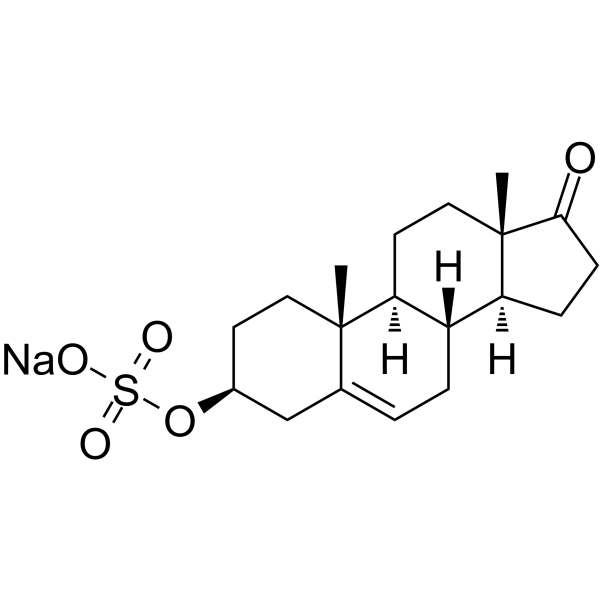 0 ImagesSynonyms: DHEA sulfate sodium; Prasterone sulfate sodiumDehydroepiandrosterone sulfate (DHEA sulfate; Prasterone sulfate) sodium salt is a neurosteroid and the main secretion product of the adrenal gland. Dehydroepiandrosterone sulfate sodium salt has both non-competitive antagonist activity of GABAA receptor and agonist activity of σ1 receptor. Dehydroepiandrosterone sulfate sodium salt can partially penetrate the blood-brain barrier, inhibit GABAA receptor-mediated chloride influx, enhance NMDA receptor activity through σ1 receptors, exert anti-inflammatory, anti-glucocorticoid and antidepressant effects, and increase convulsive sensitivity. Dehydroepiandrosterone sulfate sodium salt participates in neuroprotection, neurite growth regulation and catecholamine secretion regulation, and can be used in the study of depression, post-traumatic stress disorder (PTSD), Alzheimer's disease, etc. Dehydroepiandrosterone sulfate sodium salt may also be a biomarker for cardiovascular disease mortality, and its concentration is independently and negatively correlated with mortality.
-
Siramesine hydrochloride
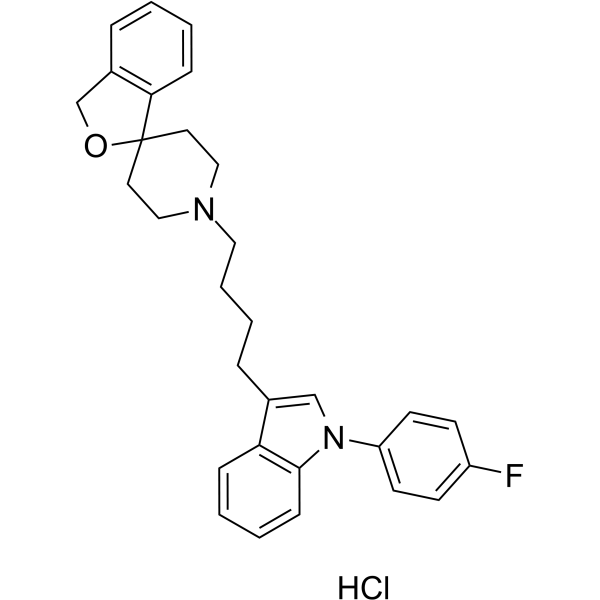 0 ImagesSynonyms: Lu 28-179 hydrochlorideSiramesine (Lu 28-179) hydrochloride is a potent sigma-2 receptor agonist. Siramesine hydrochloride has a subnanomolar affinity for sigma-2 receptors (IC50=0.12 nM) and exhibits a 140-fold selectivity for sigma-2 receptors over sigma-1 receptors (IC50=17 nM). Siramesine hydrochloride triggers cell death through destabilisation of mitochondria, but not lysosomes. Anti-cancer activity.
-
Igmesine hydrochloride
 0 ImagesArt. -Nr.: HY-169914CAS. Nr.: 130152-35-1Synonyms: JO 1784 hydrochlorideIgmesine hydrochloride (JO 1784 hydrochloride) is a selective σ-1 receptor agonist (IC50 = 39 nM) with oral activity and blood-brain barrier penetration. Igmesine hydrochloride stimulates duodenal bicarbonate secretion in rats via a σ1/vagal/CCK-A-dependent pathway, without antisecretory activity. Igmesine hydrochloride centrally blocks CRF-mediated gastrin-inhibitory effects, and in TMT toxicity and MCAO focal ischemia models, it downregulates PTBBS, reduces NOS, and modulates M1/M2 density. Igmesine hydrochloride is used in research on duodenal ulcers, Alzheimer's disease, and related diseases.
-
Sigma-1 receptor modulator-1
 0 ImagesSigma-1 receptor modulator-1 is a sigma-1 receptor modulator and acetylcholinesterase (AChE) inhibitor. Sigma-1 receptor modulator-1 binds to sigma-1 receptors in guinea pigs with a Ki of 1.8 nM. Sigma-1 receptor modulator-1 modulates chaperone proteins, restores calcium homeostasis, and controls ROS production. Sigma-1 receptor modulator-1 inhibits AChE activity and scavenges free radicals. Sigma-1 receptor modulator-1 can be used for research on neurodegenerative diseases.
-
NE-100 hydrochloride
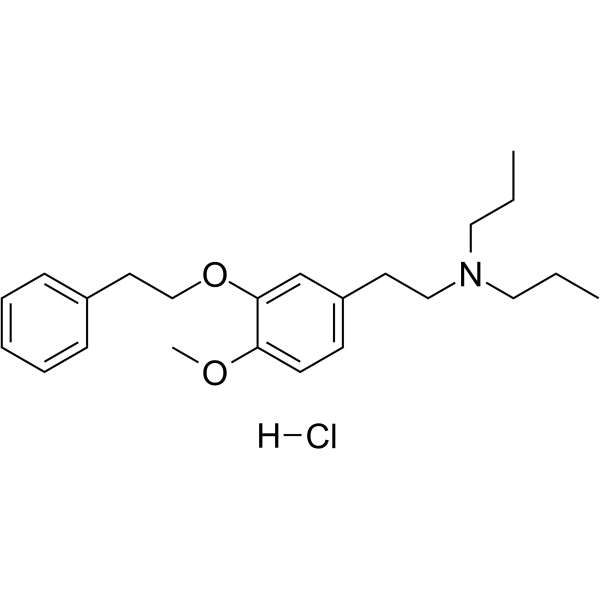 0 ImagesNE-100 hydrochloride is an orally active and selective sigma-1 receptor antagonist with an IC50 of 4.16 nM. NE-100 hydrochloride can improve cognitive impairment and has neuroprotective and antipsychotic activities. NE-100 hydrochloride can be used for research on nervous system diseases.
-
Blarcamesine hydrochloride
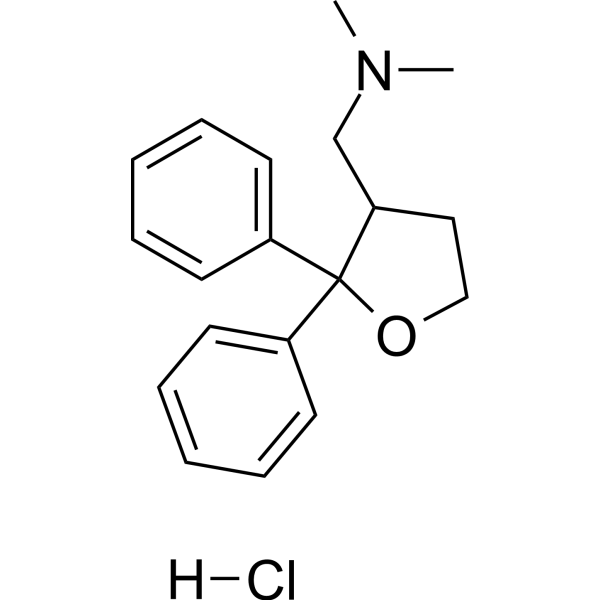 0 ImagesSynonyms: Anavex 2-73Blarcamesine hydrochloride (Anavex 2-73) is a Sigma-1 Receptor agonist with an IC50 of 860 nM.
-
Cutamesine dihydrochloride
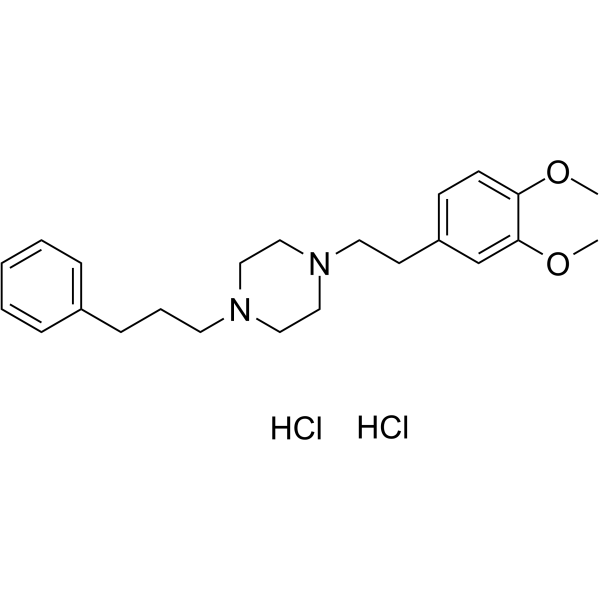 0 ImagesSynonyms: SA4503 dihydrochloride; AGY94806 dihydrochlorideCutamesine (SA4503) dihydrochloride is a potent and selective sigma 1 receptor agonist with an IC50 of 17.4 nM in guinea pig brain membranes. Cutamesine dihydrochloride shows >100-fold less affinity for the sigma 2 receptor (IC50 of 1784 nM). Cutamesine dihydrochloride has antidepressant effects.
-
BD-1063 dihydrochloride
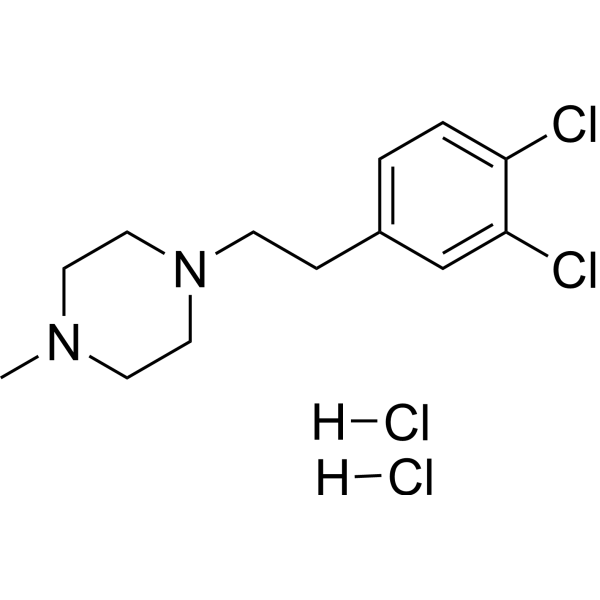 0 ImagesBD-1063 dihydrochloride is a selective σ-1 receptor antagonist with inhibitory activity against TRPC5 and TRPM3. BD-1063 dihydrochloride exerts anti-hyperalgesic and anti-allodynic effects by inhibiting sustained calcium influx mediated by TRPC5 and TRPM3, and reverses the effects of Carrageenan (HY-125474). BD-1063 dihydrochloride also significantly reduces excessive ethanol self-administration behavior. BD-1063 dihydrochloride is widely used in studies on the mechanisms underlying neuropathic pain, inflammatory hyperalgesia, and alcohol abuse and dependence.
-
(±)-Vesamicol hydrochloride
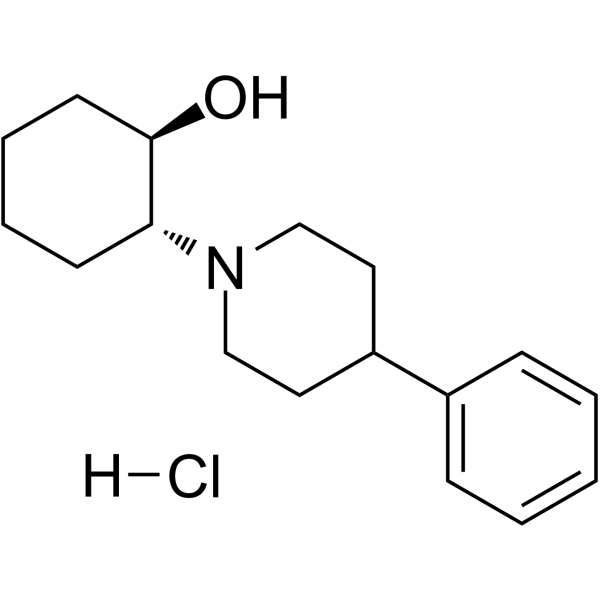 0 ImagesSynonyms: (±)-AH5183 hydrochloride(±)-Vesamicol hydrochloride ((±)-AH5183 hydrochloride) is a potent vesicular acetylcholine transport inhibitor with a Ki of 2 nM. (±)-Vesamicol hydrochloride also displays high affinity for σ1 and σ2 receptors with Kis of 26 nM and 34 nM, respectively.
-
S1RA hydrochloride
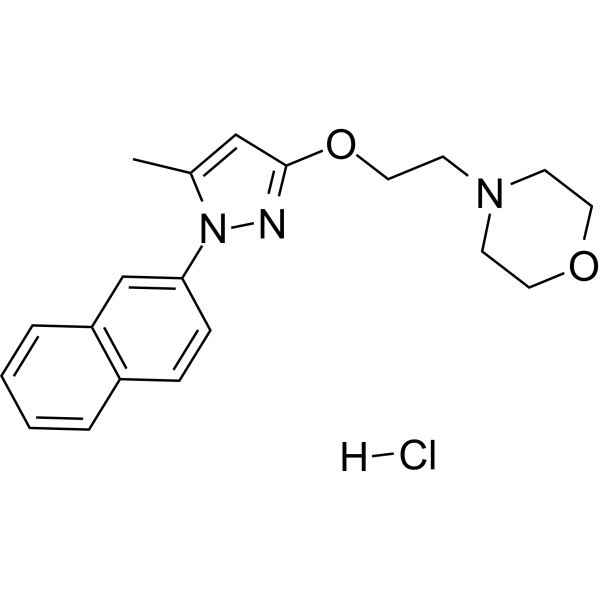 0 ImagesSynonyms: E-52862 hydrochlorideS1RA (E-52862) hydrochloride is an orally active and selective sigma-1 receptor (σ1R) antagonist with a Ki value of 17 nM. S1RA hydrochloride shows good selectivity against σ2R (Ki >1000 nM). S1RA hydrochloride is a human 5-HT2B receptor antagonist with an IC50 value of 4.7 μM. S1RA hydrochloride inhibits neuropathic pain and activity-induced spinal sensitization.
-
Cutamesine
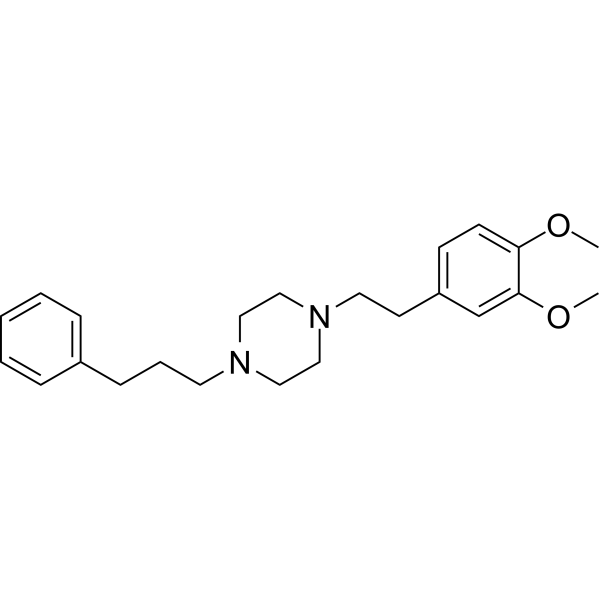 0 ImagesSynonyms: SA4503; AGY 94806Cutamesine (SA4503) is a potent and selective sigma 1 receptor agonist with an IC50 of 17.4 nM in guinea pig brain membranes. Cutamesine shows >100-fold less affinity for the sigma 2 receptor (IC50 of 1784 nM). Cutamesine has antidepressant effects.
-
Blarcamesine
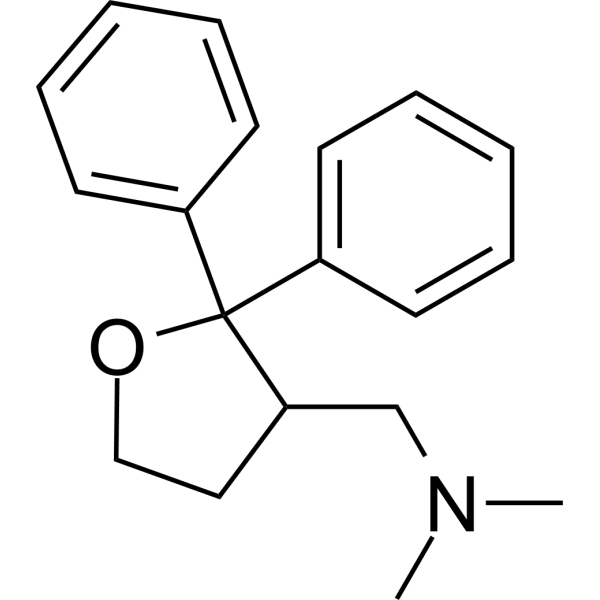 0 ImagesBlarcamesine is an orally bioavailable Sigma-1 receptor agonist and muscarinic receptor modulator, with anticonvulsant, anti-amnesic, neuroprotective and antidepressant properties. Blarcamesine ameliorates neurologic impairments in a mouse model of Rett syndrome.
-
OXA(17-33)
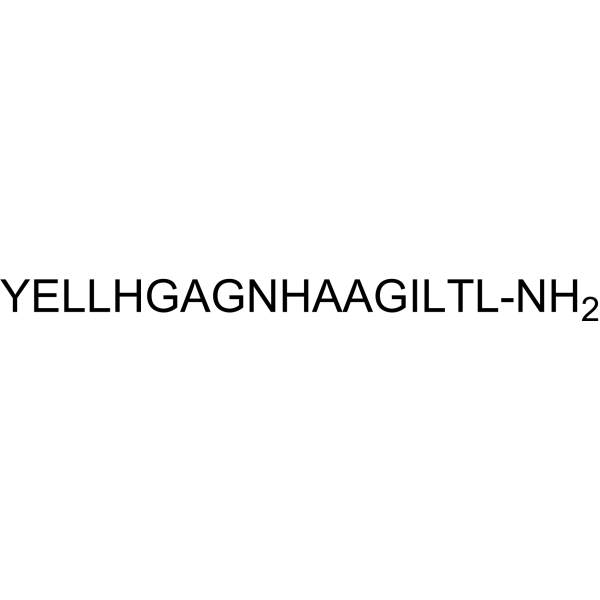 0 ImagesArt. -Nr.: HY-P1341CAS. Nr.: 343268-91-7Synonyms: Orexin A (17-33) (human, mouse, rat, bovine)OXA (17-33) (Orexin A (17-33) (human, mouse, rat, bovine)) is the shortest active orexin peptide that selectively targets OX1 (EC50=8.29 nM), with 23-fold selectivity for the OX1 receptor over the OX2 receptor. The activity of OXA (17-33) depends on the Tyr17, Leu20, Asn25, His26 residues and the spatial conformation of the α-helix. OXA (17-33) activates signaling pathways involving inositol-1,4,5-trisphosphate receptor (IP3R), phospholipase D (PL-D) and choline-Sigma-1R, thereby increasing the cytoplasmic Ca2+ level in nucleus accumbens neurons, an effect that is blocked by Sigma-1R antagonists. OXA (17-33) serves as an important biological probe for investigating the function of the OX1 receptor. OXA (17-33) can be modified via incorporation of mixed disulfide bonds of homocysteine and cysteamine, and is widely used in studies related to insomnia and narcolepsy.
-
S1RA
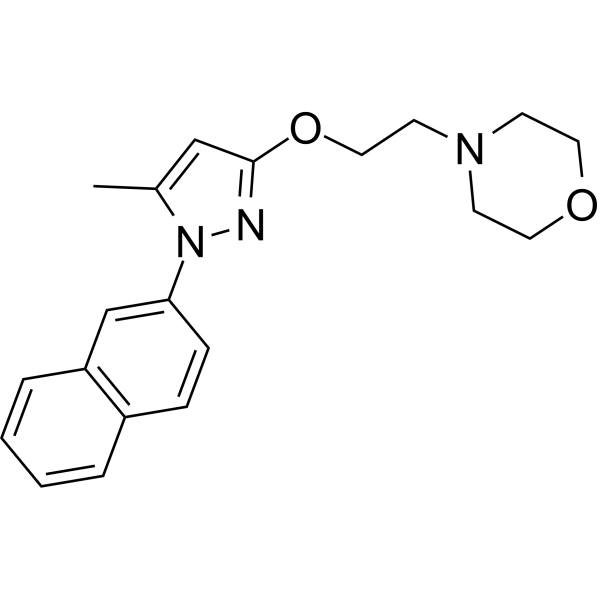 0 ImagesSynonyms: E-52862S1RA (E-52862) is a highly selective σ1 receptor (σ1R) antagonist with Kis of 17 nM and 23.5 nM for human σ1R and guinea pig σ1R, respectively. S1RA has Moderate antagonistic activity for human 5-HT2B receptor (Ki= 328 nM). S1RA has antinociceptive effects in neuropathic pain models. S1RA prevents mechanical and cold hypersensitivity in Oxaliplatin (HY-17371)-treated mice.
-
SKF 83959
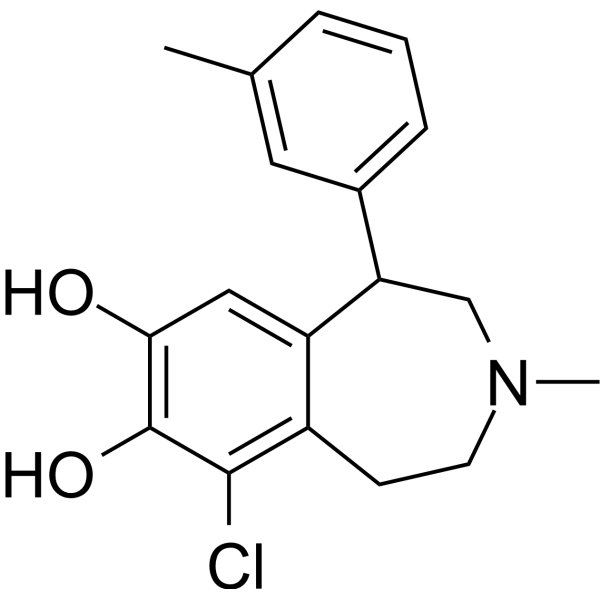 0 ImagesSKF83959 is a potent and selective dopamine D1-like receptor partial agonist. SKF83959 Ki values for rat D1, D5, D2 and D3 receptors are 1.18, 7.56, 920 and 399 nM, respectively. SKF83959 is a potent allosteric modulator of sigma (σ)-1 receptor. SKF83959 belongs to benzazepine family and has improvements on cognitive dysfunction. SKF83959 can be used for the research of Alzheimer's disease and depression.
-
Ditolylguanidine
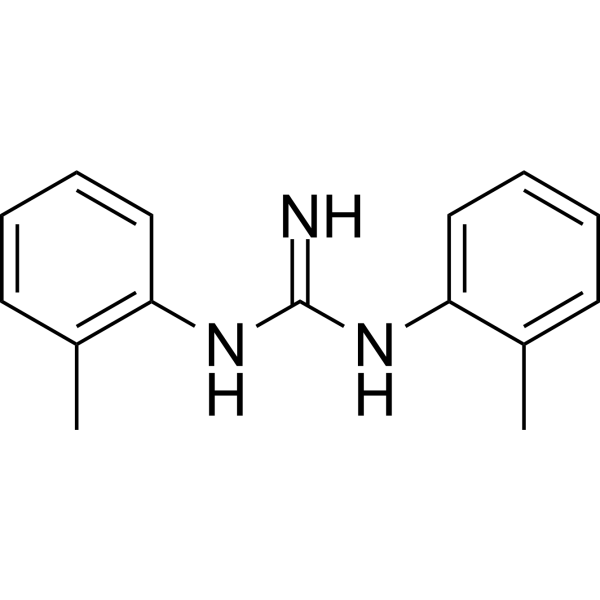 0 ImagesDitolylguanidine (1,3-Di-o-tolylguanidine) is an agonist of sigma receptor (σ1/σ2 receptor) with Ki values of 69 and 21 nM for σ1 and σ2 receptors, respectively. Ditolylguanidine effectively inhibits the growth of small cell lung cancer cells. Ditolylguanidine can be used for the research of lung cancer.
-
Dehydroepiandrosterone sulfate sodium-d6
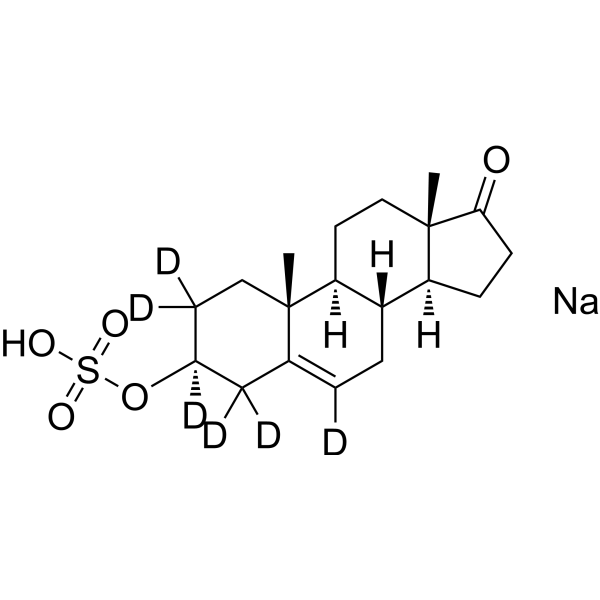 0 ImagesSynonyms: DHEA sulfate sodium-d6; Prasterone sulfate sodium-d6Dehydroepiandrosterone sulfate sodium salt-d6 (DHEA sulfate sodium salt-d6; Prasterone sulfate sodium salt-d6) is the deuterium labeled Dehydroepiandrosterone sulfate sodium salt (HY-B0765). Dehydroepiandrosterone sulfate (DHEA sulfate; Prasterone sulfate) sodium salt is a neurosteroid and the main secretion product of the adrenal gland. Dehydroepiandrosterone sulfate sodium salt has both non-competitive antagonist activity of GABAA receptor and agonist activity of σ1 receptor. Dehydroepiandrosterone sulfate sodium salt can partially penetrate the blood-brain barrier, inhibit GABAA receptor-mediated chloride influx, enhance NMDA receptor activity through σ1 receptors, exert anti-inflammatory, anti-glucocorticoid and antidepressant effects, and increase convulsive sensitivity. Dehydroepiandrosterone sulfate sodium salt participates in neuroprotection, neurite growth regulation and catecholamine secretion regulation, and can be used in the study of depression, post-traumatic stress disorder (PTSD), Alzheimer's disease, etc. Dehydroepiandrosterone sulfate sodium salt may also be a biomarker for cardiovascular disease mortality, and its concentration is independently and negatively correlated with mortality.



